Frequent surface fires shaped longleaf
The Longleaf Alliance describes frequent, low-intensity, often large-scale surface fires as a dominant force that shaped longleaf ecosystems across the historical range. Over many generations, that fire regime selected for longleaf pine’s fire-resistant traits.
Fire and regeneration
Fire does more than “clean up.” Longleaf Alliance materials note that fire consumes litter on the forest floor, creating conditions favorable for germination. While longleaf seeds may sprout in many places, survival tends to be best on mineral soil. New germinants are more vulnerable until they reach grass stage.
Fire and life stages
Grass stage
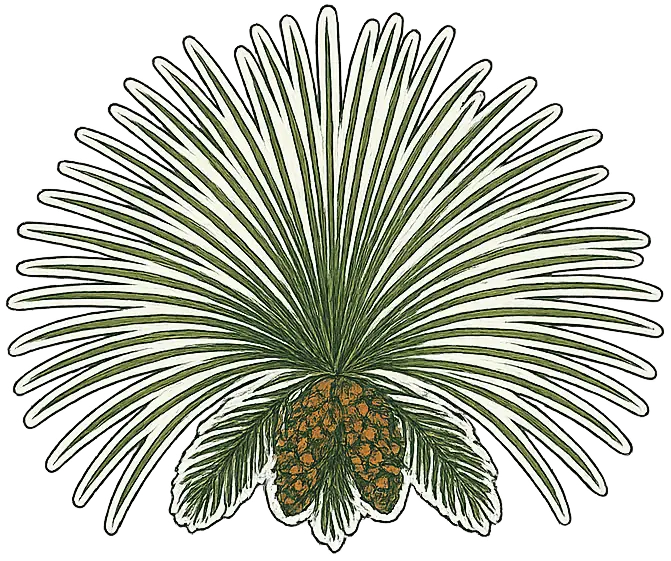
Longleaf Alliance resources emphasize that grass-stage seedlings protect their bud with dense needles. Needles may scorch, but new growth can replace them quickly, making this stage notably fire resistant.
Height growth (“rocket” period)
As longleaf begins rapid height growth, newly emerged candles may be more vulnerable until protective needles develop or the growing tip rises above typical flame heights. As bark thickens, resistance increases.
When longleaf becomes highly fire resilient
Longleaf Alliance materials note that after a longleaf pine reaches about 8 feet in height and roughly 2 inches in diameter at ground level, it becomes very robust and resistant to fire damage. Mature trees are protected by thick bark, and lower limbs are often thermally pruned, keeping the canopy above most flame heights.
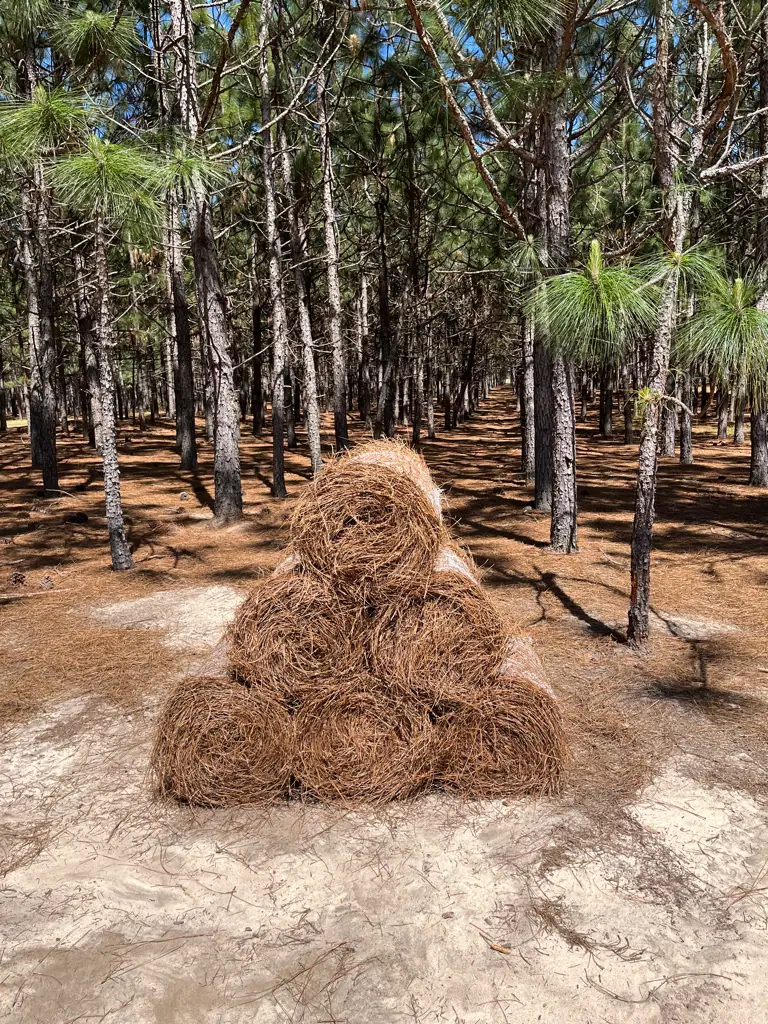
Longleaf needle litter is also a key piece: once established, it provides fine fuels that can help carry future fires across the forest floor.
Important safety note
This page is educational. Prescribed burning should only be conducted by trained professionals following local laws, permits, and a written burn plan. For a management-focused overview, see Prescribed Fire.