A landscape shaped by “good fire”
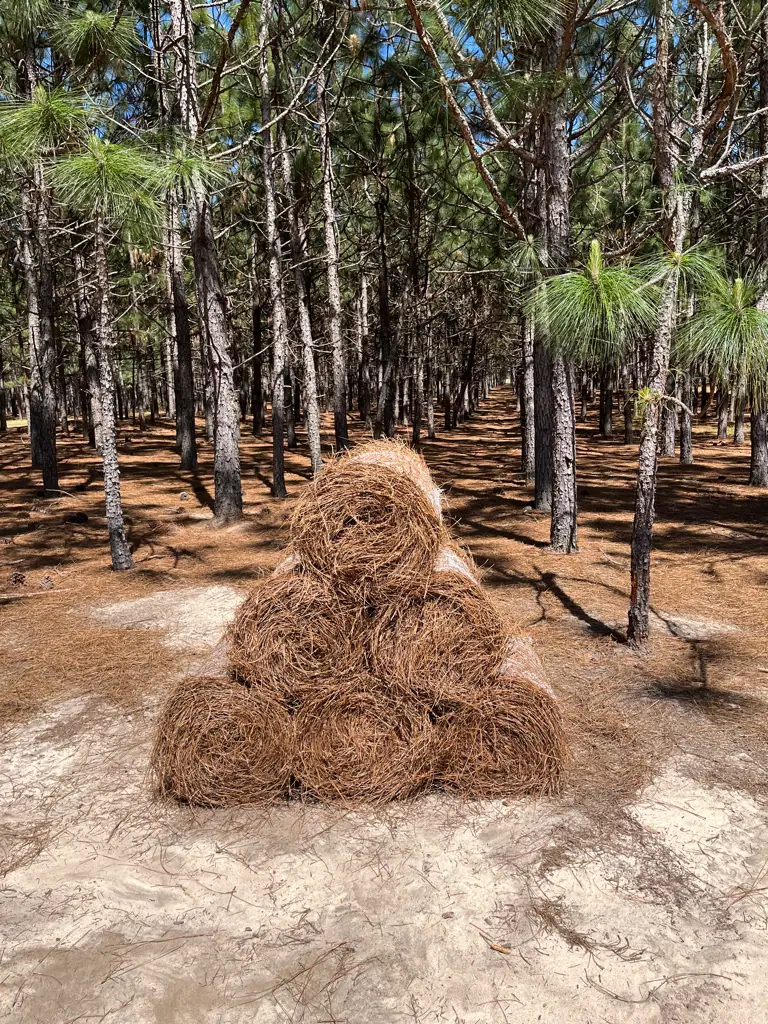
The Longleaf Alliance emphasizes that fire played a defining role in where longleaf forests existed and how they looked. Instead of dense, dark woods, many longleaf landscapes were open and sunlit, with flowering shrubs and a rich ground layer. Those conditions supported diverse plants and animals.
A vast historic range
Longleaf Alliance materials describe longleaf pine’s historic “domain” as enormous: beginning in southeast Virginia, stretching south through nine states, and reaching into east Texas—more than 140,000 square miles.
That broad range included multiple habitat types—from sandhills to flatwoods—each with its own soil and moisture patterns, but unified by the recurring influence of fire.
Change accelerated in the last ~150 years
The Longleaf Alliance notes that, while longleaf piney woods influenced cultures for generations, the pace of change accelerated dramatically roughly 150 years ago as exploitation intensified and landscapes shifted. That history is part of why longleaf restoration is treated as a long-term, multi-step effort today.
Want to go deeper?
If you’re interested in the ecosystem side of the story, start with fire: Built by Fire. If you’re exploring landowner decisions, see: The Economics.