Myth
“Longleaf pine is a slow grower.”
The Longleaf Alliance notes that if the time spent in grass stage is minimized, early growth can rival other southern pines in many cases. Longleaf also has the ability to “make up” for a slow start with faster growth later on, and on some sites it may grow faster than other pines.
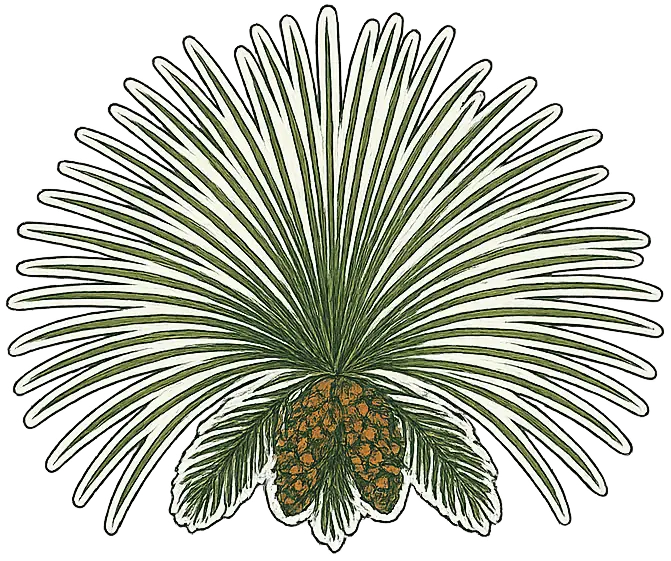
If you haven’t seen grass stage before, it’s easy to assume the tree “isn’t growing.” In reality, it may be investing heavily in roots and survival.
Myth
“Longleaf isn’t good for wildlife.”
The Longleaf Alliance emphasizes the opposite: longleaf forests—especially when fire can be used—provide ideal habitat for a wide suite of game and nongame wildlife. The key is the open structure and diverse ground layer maintained by frequent fire.
For more on the ecosystem side, see Species Diversity and Built by Fire.
Myth
“Don’t let longleaf mature because of red-cockaded woodpeckers.”
The Longleaf Alliance addresses concerns about the endangered red-cockaded woodpecker (RCW) by noting several practical points:
- RCW populations are most often confined to large, isolated public landholdings, making colonization of a single private property less likely in many places.
- Programs like Safe Harbor agreements exist to reduce disincentives for managing habitat.
- RCWs may establish in mature loblolly pine sooner than they would in longleaf pine.
- Establishing RCWs is not “easy”—efforts can be complex and costly, and outcomes vary.
If you’re managing land, consult local professionals and follow applicable regulations. This page is educational, not legal or wildlife-management advice.